
From Fuel to Fixtures: What’s Driving the Sudden Rise in Building Costs
If you’ve received a recent quote for building or plumbing work and found yourself doing a double take, you’re not imagining things. Costs are rising quickly at the moment, and one of the biggest drivers behind it is something most people don’t immediately connect to construction—fuel.
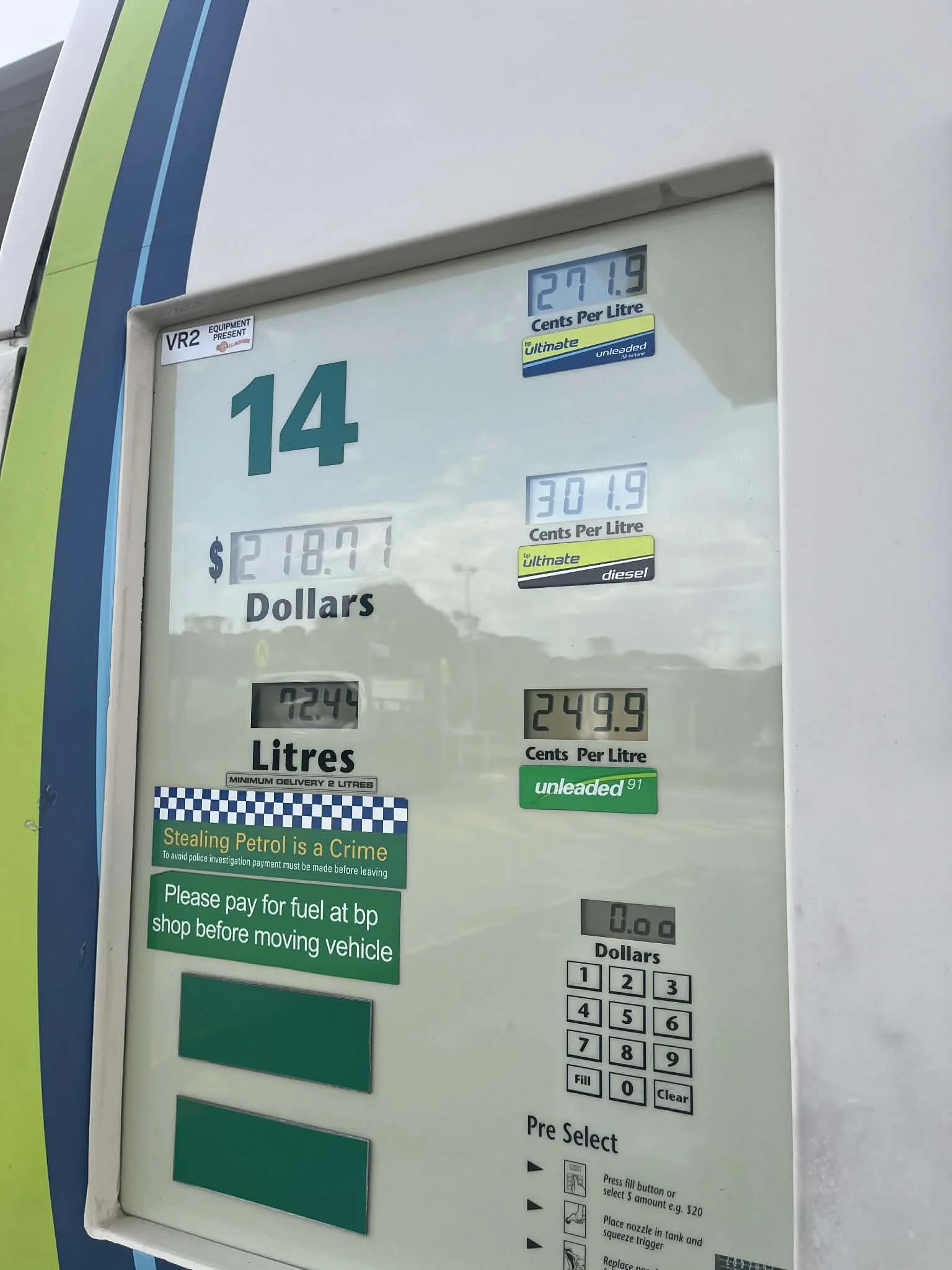
Right now, diesel is at around $3 per litre, which is almost double what it was less than a month ago. This hasn’t been a gradual increase that businesses can absorb or plan around. It’s been a sharp spike, and the effects are already flowing through the industry in real time.
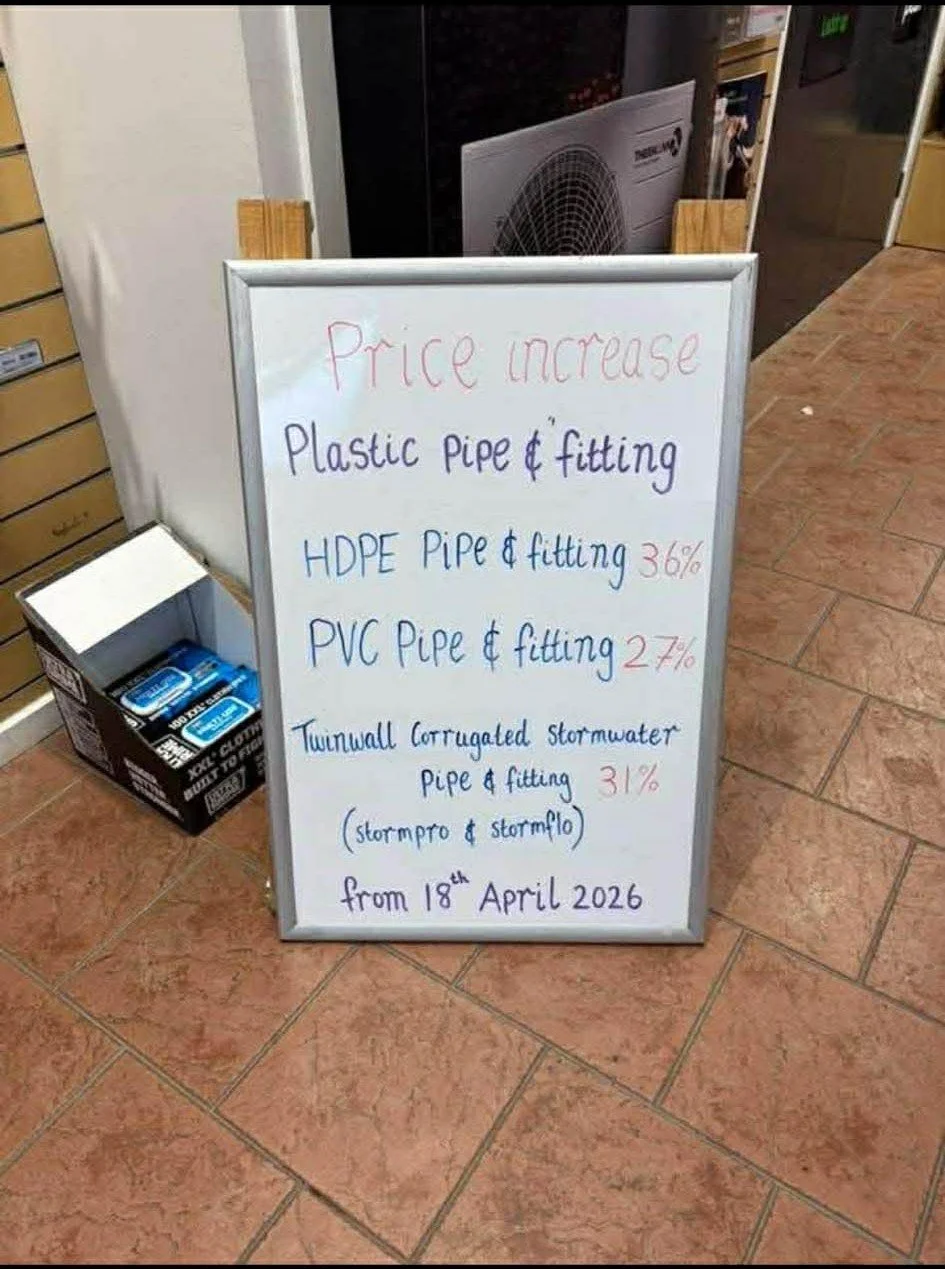
We’re seeing it first-hand. Suppliers have begun adding fuel levies almost immediately, delivery charges have increased, and product pricing is being adjusted at a pace we don’t normally experience. In some cases, the changes are significant. Plumbing PVC, for example, has increased by up to 40% in certain product lines. These aren’t minor fluctuations—they are substantial shifts that directly impact the cost of delivering a job.
In the past, smaller increases were something we could manage behind the scenes. It’s not uncommon for pricing to move by one or two percent, and more often than not, we would absorb those costs within the business rather than pass them on to our customers. That’s part of running a responsible and customer-focused operation. However, the scale and speed of the increases we’re currently experiencing are very different. These are no longer small adjustments—they are large, immediate changes that simply can’t be absorbed without impacting the sustainability of the business.
What many people don’t realise is that fuel touches every stage of a project. Every material used in your build has been transported multiple times before it even reaches site. From manufacturer to warehouse, from warehouse to supplier, and then from supplier to the job, each step relies on transport. When fuel costs rise this quickly, those increases are passed through the entire supply chain.
On site, the impact continues. A typical job involves constant movement—picking up materials, returning incorrect items, transporting tools, and managing waste removal. These are all necessary parts of keeping a project running efficiently, but each trip now costs significantly more than it did just weeks ago. It’s not one large increase, but rather dozens of smaller ones that accumulate across the duration of the project.
It’s also important to understand that this isn’t isolated to one trade. Every contractor involved in your job is experiencing the same pressures. Electricians, tilers, plasterers, and waterproofers are all dealing with increased fuel costs, and those costs are naturally reflected in their pricing. The result is a compounding effect, where the overall cost of a project rises across multiple areas at once.
This is why pricing can feel like it’s changing overnight—because right now, it genuinely is. Suppliers are updating their rates quickly, delivery fees are shifting, and quotes often have shorter validity periods than they traditionally would. A price that was accurate even a few weeks ago may no longer reflect the current market.
We understand that this can be frustrating, especially when you’re trying to budget for a renovation or repair. At Plumbstruct, our approach has always been to be upfront about costs rather than underquoting and introducing variations later. In a market like this, that becomes even more important. We aim to price based on current conditions and include realistic allowances so that you’re not caught off guard halfway through your project.
If you are planning work, it’s worth being aware that delays may result in higher costs, simply because the market is moving so quickly. Taking the time to understand what is included in your quote and asking questions about allowances and potential fluctuations can make a significant difference in avoiding surprises later on.
Fuel might seem like a small part of the overall picture, but right now it is having a major influence on how projects are priced and delivered. When diesel doubles in such a short period of time, it affects everything—from materials and logistics through to labour and scheduling.
Our goal is to keep you informed, not caught out. If you have a quote in progress or a project coming up, we’re always happy to talk through what’s happening in the market and how it may impact your job, so you can move forward with confidence.